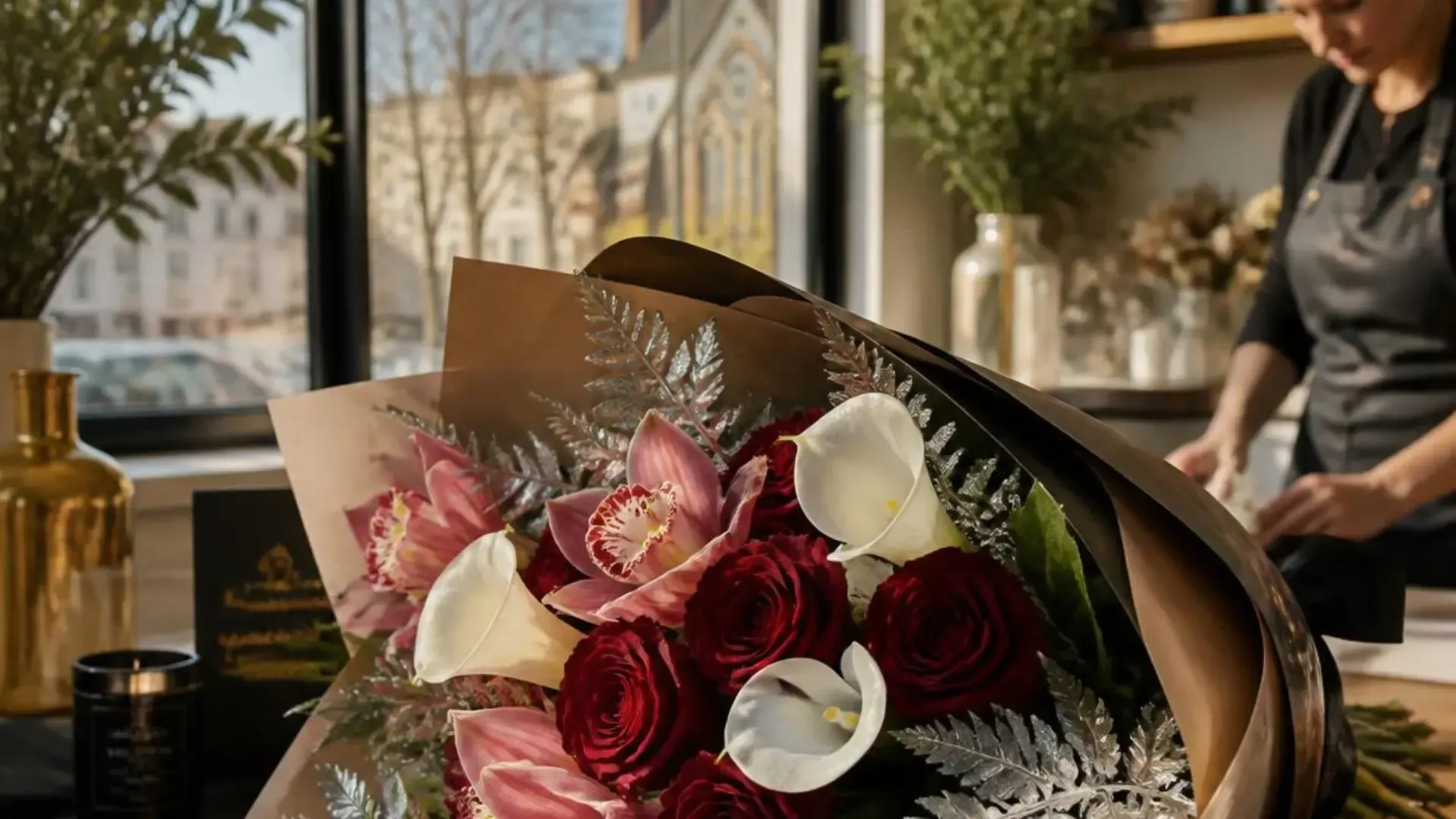
How To Keep Cut Flowers Fresh: 7 Florist Tips To Make Your Bouquet Last Longer
At Fleur by DK, we believe a bouquet shouldn't just look stunning on the day it arrives; it should bring joy, colour, and fragrance to your home for weeks.
As a boutique Merivale florist, we know exactly how Christchurch’s unique climate—from dry summer Nor'westers to toasted, heat-pump-driven winter living rooms—can impact fresh cut blooms. Whether you have received a thoughtful gift or treated yourself to a fresh bunch, this complete care guide will help you keep your flowers vibrant and beautiful for as long as possible.
Quick Care Checklist: How To Make Flowers Last Longer
- Trim The Stems: Cut 2cm off every stem at a sharp 45-degree angle using sharp shears or a clean knife.
- Sanitise The Vase: Wash your glass vase thoroughly with hot soapy water before filling.
- Strip Submerged Leaves: Remove all foliage sitting below the waterline to prevent bacterial growth.
- Refresh Water Regularly: Replace the vase water completely every two days.
- Avoid Heat & Fruit: Keep bouquets away from direct sunlight, heat pumps, drafts, and fruit bowls.
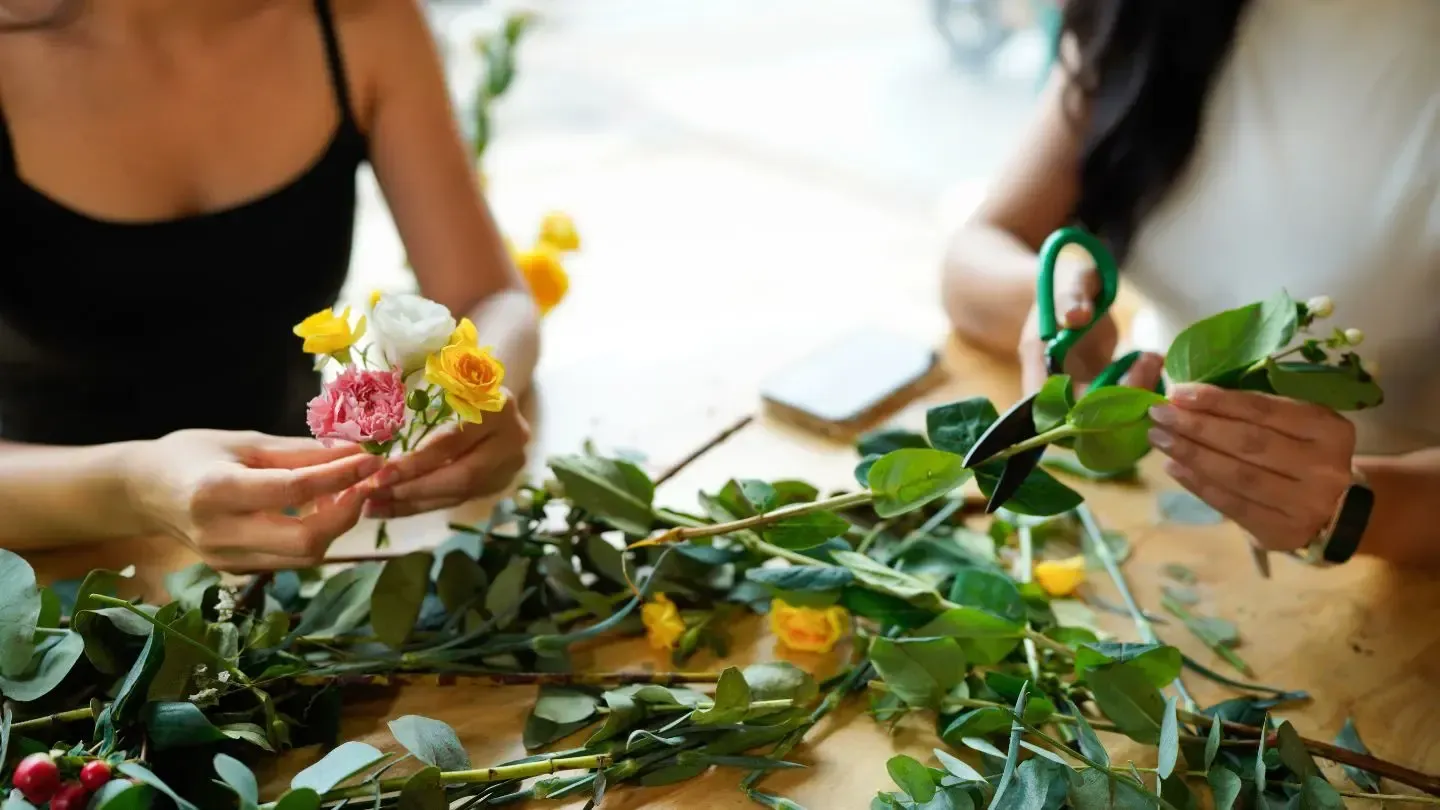
1. The "Arrival" Ritual & Proper Vase Setup
The moment fresh flowers enter your home, the hydration clock starts ticking. Leaving blooms sitting in their transit wrapping overnight is the quickest way to shorten their lifespan.
- Choose The Right Vessel: Match your vase to the bouquet structure. A heavy, tall bouquet in a lightweight vessel becomes a tipping hazard, while a short posy will get lost inside a deep vase.
- The "Bleach Clean" Standard: Bacteria is the primary enemy of cut flowers. Before adding water, scrub your vase with hot water and dish soap. If you wouldn’t drink out of the glass yourself, don’t put your flowers in it.
- Tepid Water Only: Fill your clean vase with cool to lukewarm tap water. Icy water can shock tender stems, while hot water cooks the vascular system. Tepid water allows stems to drink easily.
2. How To Cut Stems Correctly (Why Most People Do It Wrong)
When a flower stem sits out of water, the cut tip seals itself to prevent fluid loss (much like a scab forming on a cut). Plunging a sealed stem straight into a vase prevents it from drawing up fresh water.
- Cut At A 45-Degree Angle: Always trim stems at a sharp angle. This increases the surface area for water absorption and prevents the stem from sitting flat against the bottom of the vase, which blocks water flow.
- Use Sharp Tools: Put the blunt kitchen scissors away. Squeezing a stem with dull blades crushes the delicate water transport tubes. Use sharp bypass secateurs or a clean, non-serrated knife.
- Strip Lower Leaves: Carefully remove any leaves that sit below the vase rim. Submerged foliage rots within 24 hours, turning clean water into a bacterial swamp that clogs stem ends.
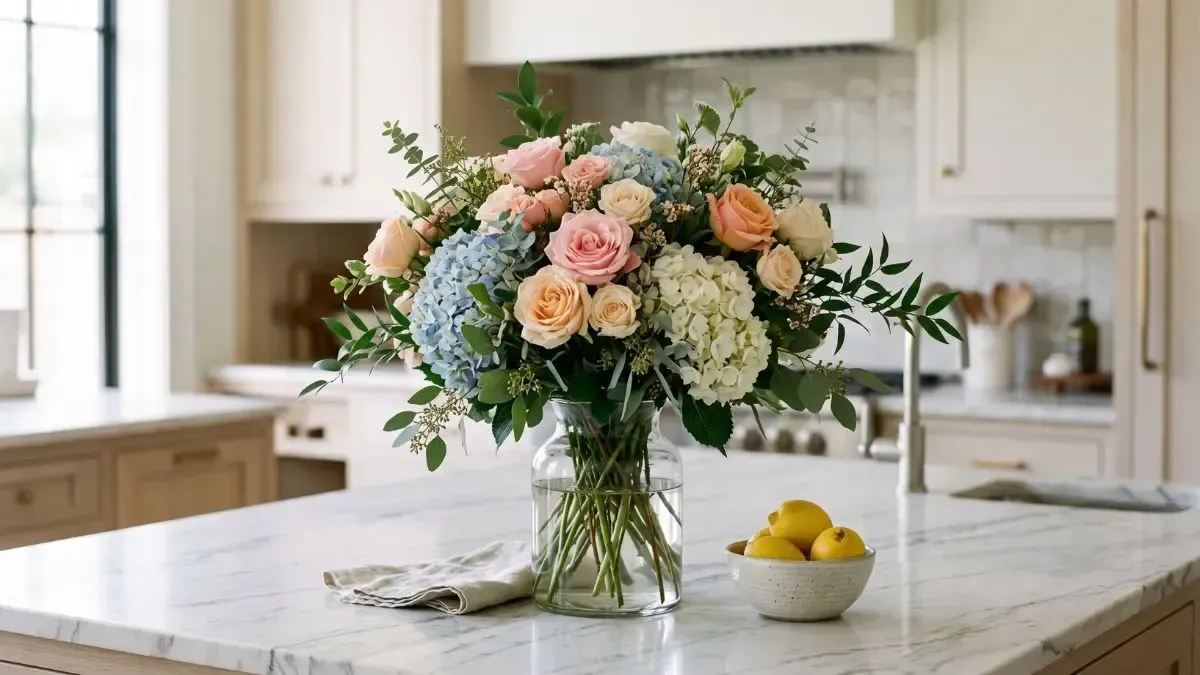
3. Specific Care For "Diva" Flowers: Roses & Hydrangeas
Not all blooms drink at the same rate. Low-maintenance varieties like lilies and chrysanthemums thrive easily, but popular favorites like roses and hydrangeas require specific attention.
Fixing Drooping Roses
Roses are famous for "droopy neck," which occurs when an air bubble gets trapped inside the stem stem pathway.
- The Fix: Recut the stem by 2cm underwater, then submerge the bottom half of the stem in warm water for an hour. This clears the air pocket and restores water flow to the head.
- Guard Petals: Notice thick, slightly discoloured outer petals? These are protective "guard petals." Gently peel them away to reveal the fresh, flawless bloom underneath.
Reviving Wilted Hydrangeas
Hydrangeas are extraordinarily thirsty blooms that drink through their petals as well as their stems.
The Fix: If a hydrangea head looks soft, submerge the entire flower head upside down in a sink filled with cool water for 20 minutes. Shake it dry gently, re-trim the stem, and return it to the vase for an immediate revival.
4. Location Matters: Protecting Flowers In Christchurch Homes
Where you place your arrangement in your home dictates how quickly the petals mature.
- Avoid Direct Sunlight: A sun-drenched windowsill accelerates blooming, causing petals to open rapidly and drop within days. Position your vase in bright, indirect light.
- Keep Clear Of Heat Pumps & Drafts: Constant airflow from heat pumps, radiators, or breezy doorways dehydrates delicate flower tissue fast.
- Move Away From Fruit Bowls: Ripening fruit—especially bananas and apples—emits invisible ethylene gas. This organic compound triggers premature aging and flower decay.
-

5. Myth-Busting Grandma's Hacks: Vodka, Aspirin, & Coins
Household "quick fixes" are widely discussed online, but practical florist experience shows that most do more harm than good.
- Vodka: Theory: Kills bacteria. Reality: High alcohol levels damage stem tissue and shorten bloom life.
- Aspirin: Theory: Lowers water pH. Reality: Incorrect dosing turns leaves black and burns delicate stems.
- Copper Coins: Theory: Acts as a natural fungicide. Reality: Modern New Zealand currency contains insufficient copper content to alter bacterial growth.
- Lemonade & Sugar: Theory: Feeds the flower. Reality: Sugar feeds bacteria much faster than it feeds the bloom, leading to murky, foul-smelling water unless paired with commercial sterilants.
- The Golden Standard: Clean, fresh water changed every two days beats home remedies every time.
6. What To Do When Flowers Age (Drying & Composting)
Even with proper care, cut arrangements eventually complete their lifespan. You can easily extend their value through drying or sustainable disposal.
- Air Drying: Roses, proteas, sea holly, and gypsophila dry naturally. Before petals become brittle, hang stems upside down in a dry, dark cupboard for two weeks to create a long-lasting dry arrangement.
- Composting: Remove any floral tape, wire, or ribbon, then place organic stem waste straight into your green wheelie bin or home compost heap.
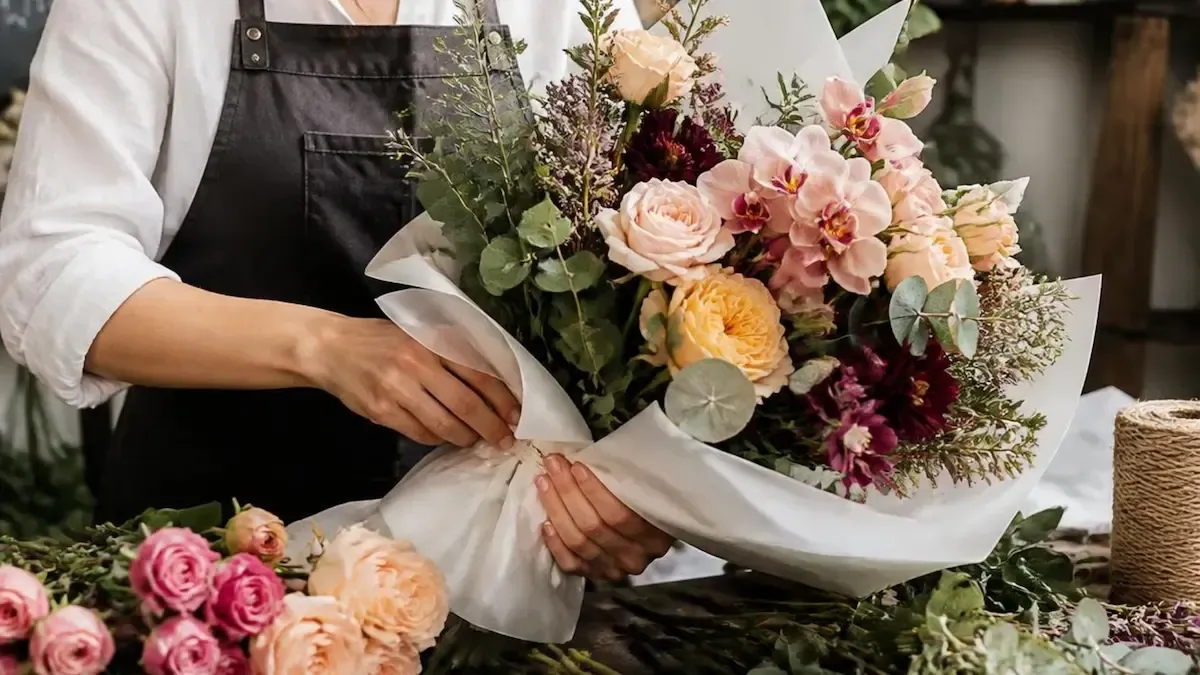
Why Local Studio Freshness Outlasts Supermarket Flowers
The primary secret to long-lasting blooms is where they started their journey. Supermarket bunches often endure days of cold storage and long transit chains before reaching retail shelves, consuming half their shelf life in transit.
At Fleur by DK, our team sources blooms daily from local Canterbury growers and trusted markets. When you order our fresh seasonal bouquets, your flowers were often growing in local fields just 24 to 48 hours prior. That local supply chain ensures superior vase longevity in your home.
Need a fresh floral arrangement delivered today? Order online before 2:00 PM weekdays or 11:00 AM Saturdays for guaranteed same-day flower delivery across Christchurch.
Frequently Asked Questions About Cut Flower Care
How Often Should I Change The Water In My Vase?
Change the vase water completely every two days. Rinsing the vessel and refilling it with clean, tepid water removes built-up bacteria and prevents stem blockages.
Should I Use The Flower Food Packet Provided?
Yes. Commercial flower food contains a balanced mixture of carbohydrates to nourish the bloom and biocide to suppress bacterial growth in the water. Always mix it according to the packet instructions.
Why Are My Rose Heads Drooping So Quickly?
Drooping rose heads are usually caused by air trapped in the stem or bacterial blockage at the cut tip. Trim 2cm off the stem at an angle under running water and place the rose in warm water for one hour to clear the block.
Can I Save A Hydrangea That Has Gone Soft?
Yes. Hydrangeas absorb moisture through their petals. Submerge the entire wilted flower head upside down in a bath of cool water for 20 minutes, recut the stem, and return it to a fresh vase.
Shop: